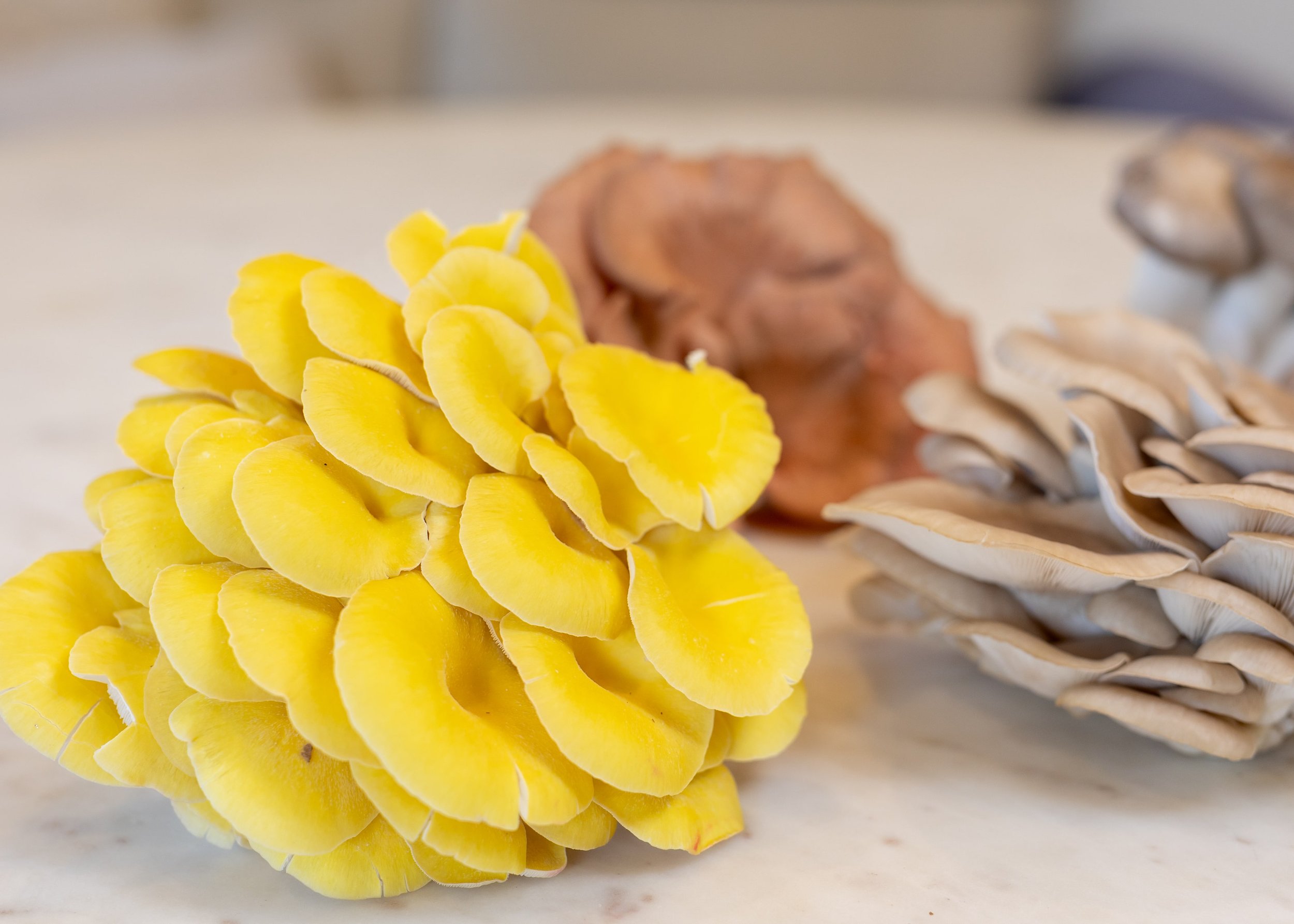
Mission MushVroom
Space hosted its first crop of mushrooms in a groundbreaking initiative led by FOODiQ Global
As part of the Fram2 human spaceflight mission, FOODiQ Global made history by attempting to grow mushrooms in space for the first time as a crop.

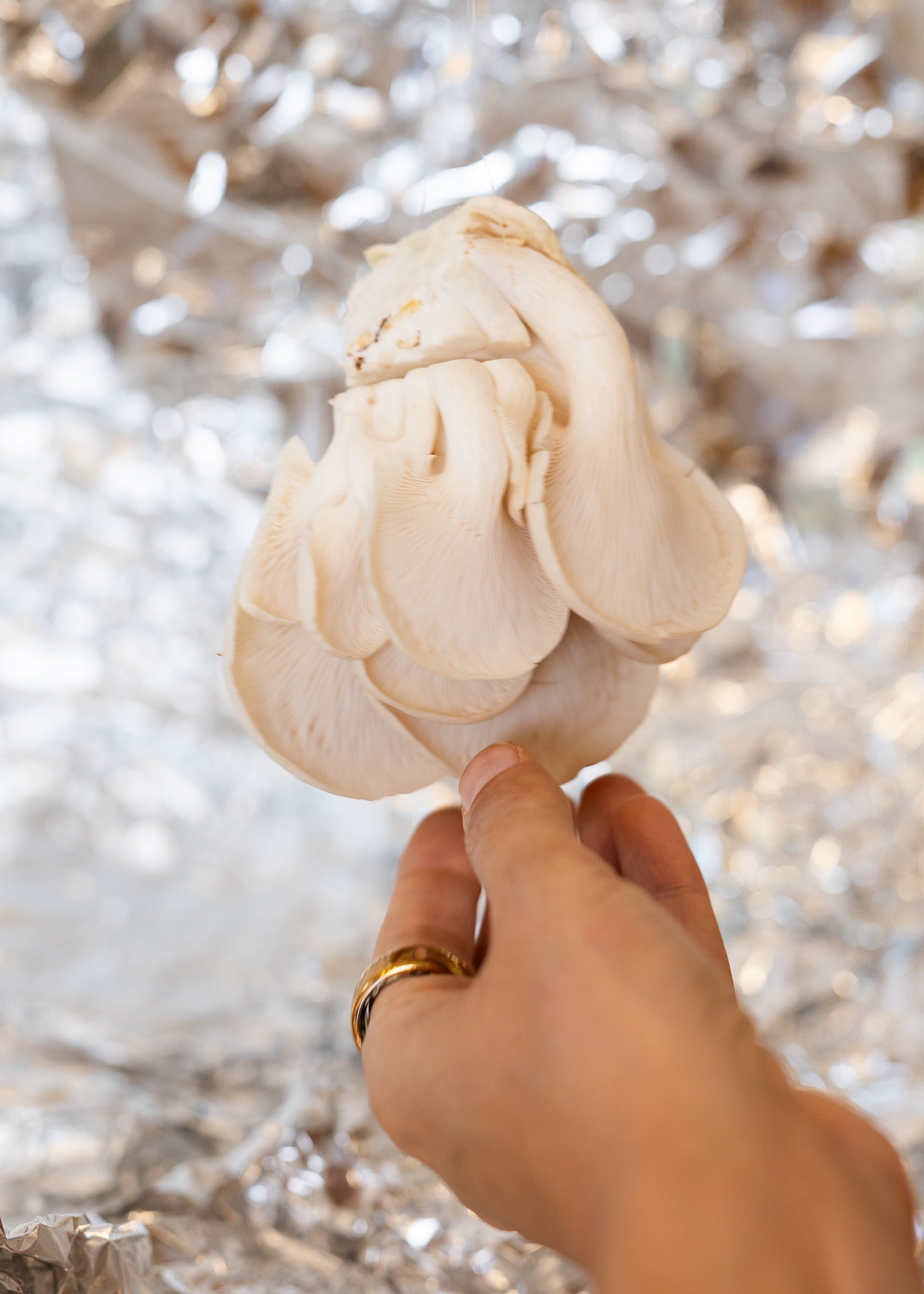
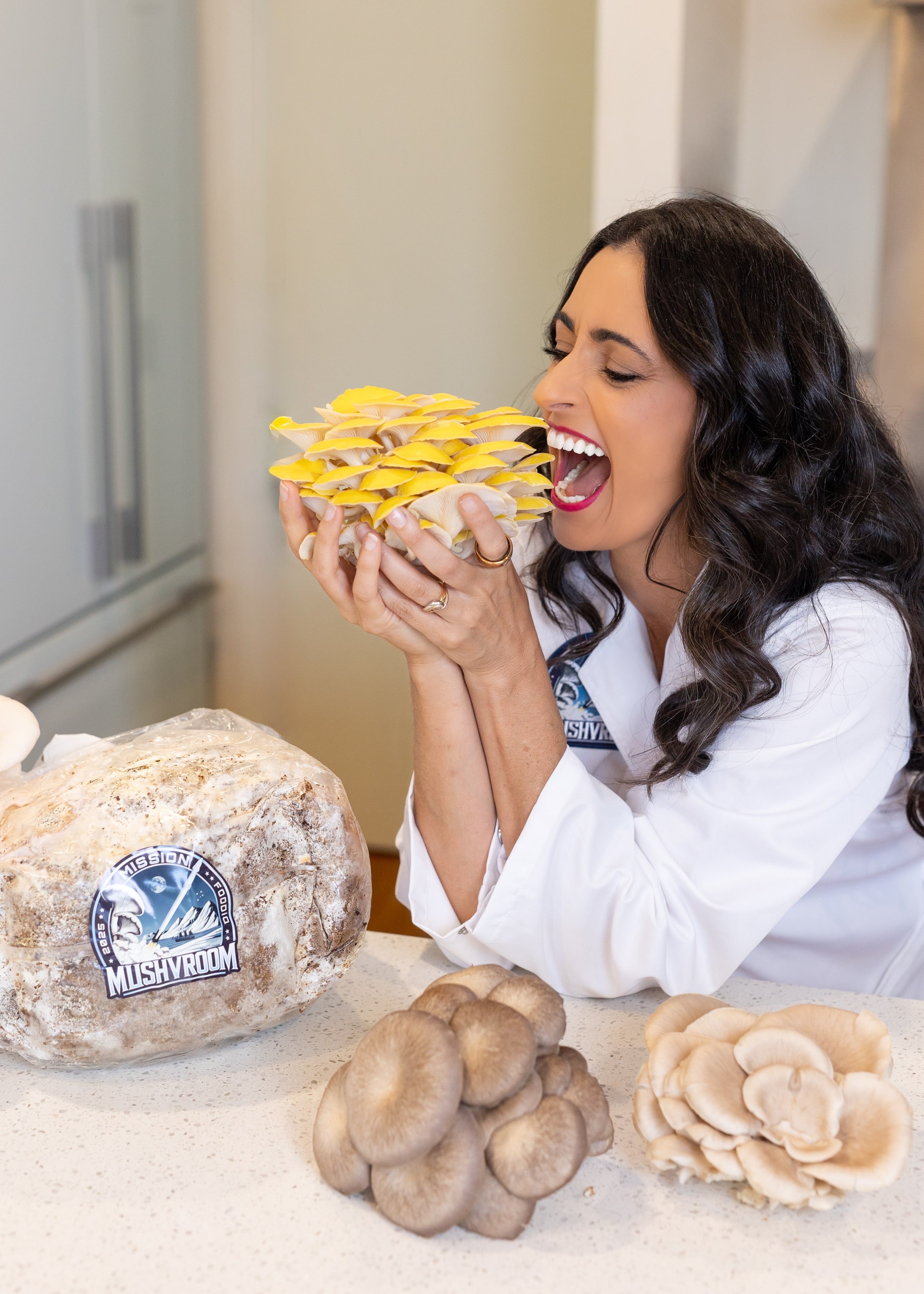
Oyster mushrooms are the perfect space crop, helping astronauts meet their nutritional needs on long-duration space missions like those to the Moon, Mars and beyond.

Successfully growing edible mushrooms in space represents a significant milestone for space exploration and sustainable nutrition, offering valuable insights that could also improve global food security on Earth
NASA has recognised food and nutrition as the 11th Civil Space Shortfall priority of over 180 priorities, underscoring the importance of Mission MushVroom in pioneering edible mushrooms in space for sustainable food and bioregenerative life support systems.


View our Media assets here
An Australian-led experiment
Fram2 was the first human spaceflight to explore Earth from a polar orbit and fly over Earth’s polar regions. Throughout the 3.5-day mission, the crew observed Earth’s polar regions through SpaceX’s Dragon’s cupola at 425 – 450 km altitude while undertaking research activities, including Mission MushVroom.
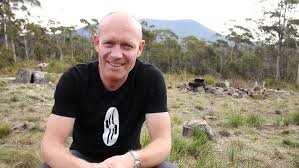
Assigned as the astronaut to lead Mission MushVroom while in space was Australian polar adventurer and guide Eric Philips who will became the first person to fly into orbit under the Australian flag. During Mission MushVroom, Eric monitored how FOODiQ’s oyster mushroom experiment colonised and fruited in the space environment, paving the way for a nutritious, delicious and sustainable food system for long-duration missions to the Moon, Mars and beyond.


Mushrooms play a key role in enhancing plant-based food systems, offering many edible options and multiple benefits.
Alongside plants, they contribute to psychosocial wellbeing and provide essential nutrition for space explorers.

The science
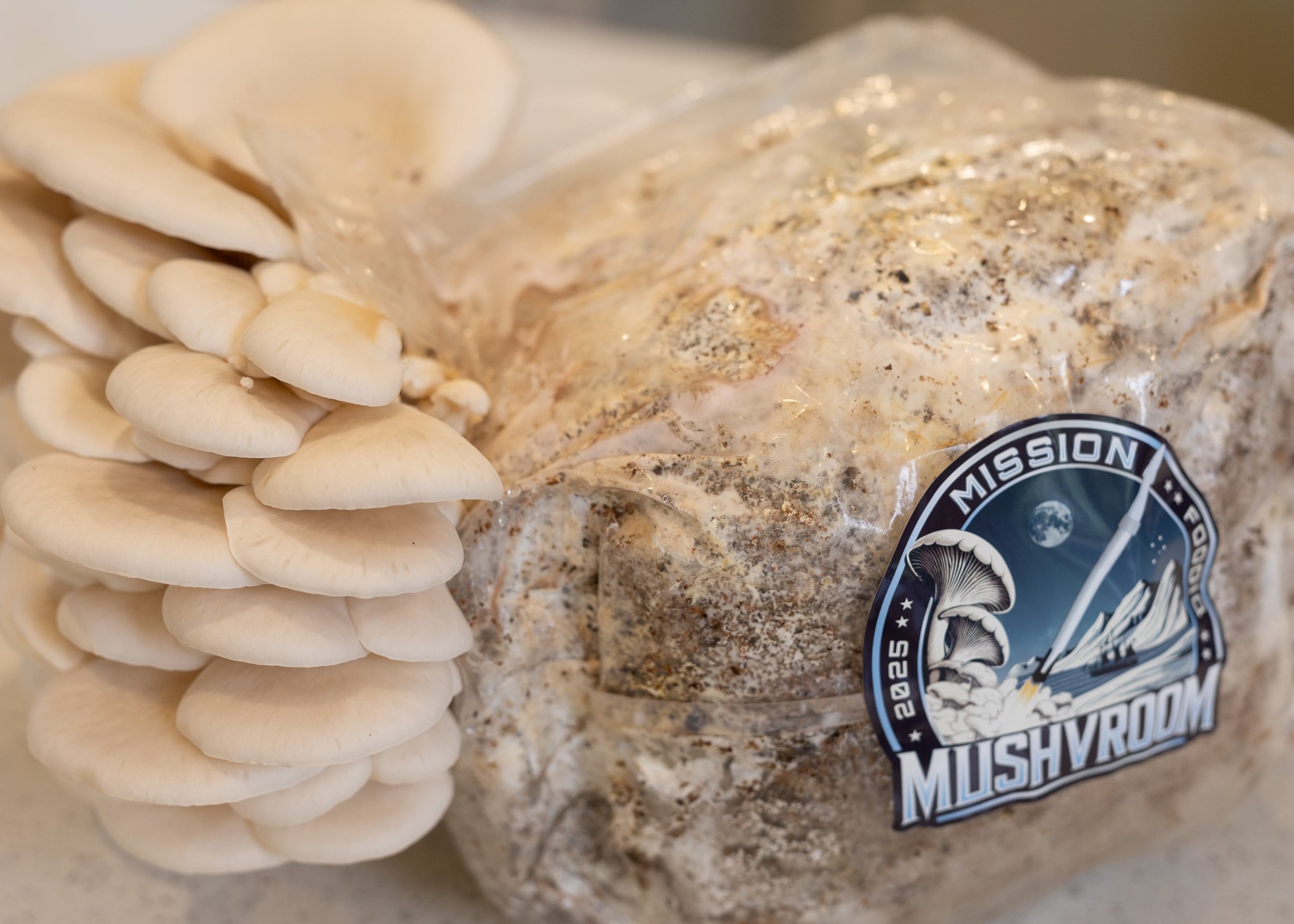
The FOODiQ research team prepared colonised substrate blocks provided by lifecykel, and centrifuge tubes with substrate inoculated with mycelium in the mission kit.
We ivestigated how mycelium can colonise in space, and whether there are any physical and biochemical differences in the colonisation and the growth of oyster mushrooms in space compared with Earth.

Meet the team
-
![]()
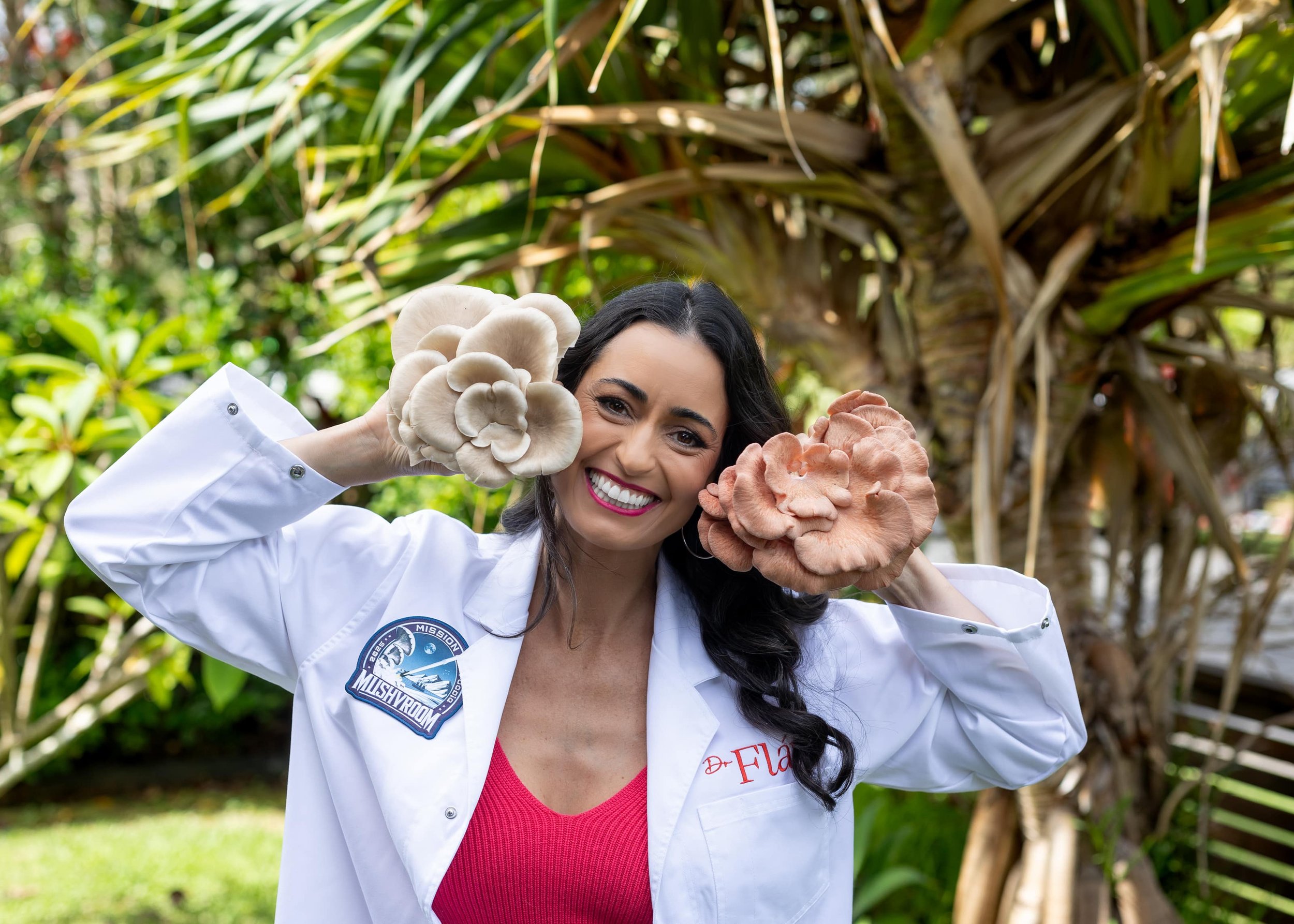
DR FLÁVIA FAYET-MOORE
PRINCIPAL INVESTIGATOR
PhD, MNutDiet, BSc(Honours), APD, RNutr, FASLMAs FOODiQ’s CEO, Flavia is a global changemaker in human health and nutrition and is an alumna of the International Space University.
Her pioneering research on leveraging mushrooms as a nutritional, culinary and agricultural solution in deep space missions was orally presented at the International Astronautical Congress in Milan in 2024.
-
![]()
ANNIE SHELTON
MISSION SCIENTIST & PAYLOAD LEAD
PhD Candidate, MPS, BSc(Neuroscience)
Annie is a Gates Cambridge Scholar and PhD Candidate in the Department of Plant Sciences at the University of Cambridge. She holds a BSc in Neuroscience and Plant Biology and a Master’s in Integrative Plant Science, with a concentration in Controlled Environment Agriculture. Annie has worked with NASA on projects in space crop production and advanced mushroom technologies.
-
![]()
RALPH FRITSCHE
CO-INVESTIGATOR
BSc (Physics), BSc (Space Science)As the former National Aeronautics and Space Administration (NASA) Space Crop Production and Exploration Food System Project Manager, Mr. Fritsche lead the effort to develop sustainable and reliable fresh food systems in support of long duration space missions beyond low Earth orbit.
He is a recipient of the NASA Exceptional Service Medal and earned a dual BS degree in Physics and Space Science from the Florida Institute of Technology in 1979.
-
![]()
DR CELESTE FERRARIS
MISSION SUPPORT
PhD, B. FoodSci&Nutr (Hons 1), B.HSc NutMed, BA SportMgt
As a dedicated scientist at FOODiQ, the rigorous and objective exploration of scientific knowledge is the foundation of her approach to nutrition and health research.Celeste is a nutrition scientist and researcher at FOODiQ and is particularly passionate about exploring innovative solutions and advancements in food and nutrition that will shape the way we eat and live.
-
![]()
DR KYLIE ABBOTT
MISSION SUPPORT
PhD, BNutrDiet (Hons), APD
A nutrition scientist and research dietitian at FOODiQ, Kylie uses her biochemistry knowledge, along with her experience in study design and nutritional epidemiology, to link together food and nutrition with mechanisms, intervention studies, and observational research.
Kylie’s ultimate purpose is to provide evidence-based nutrition to help people make informed decisions about their individual health journeys.
-
![]()
DR MEGHANN THAI
MISSION SUPPORT
PhD, BSc(Agriculture)
Meghann holds a Bachelor of Science in her PhD at the University of Sydney, researching the bacterial dynamics in mushroom composting, and analysing nitrogen transformation in composting to help improve consistency in mushroom production.She is a Postdoctoral Research Associate in Microbiology at The University of Sydney, continuing her research in bacterial dynamics and microbial nitrogen transformation in mushroom compost.






“Space food research has revolutionised our global food supply and will continue to help feed a growing population of 10 billion by 2050”
— Dr Flávia Fayet-Moore
Partners & Supporters



Want to get involved or find out more?
FOODiQ is passionate about collaborating with like-minded partners to push the boundaries of science, innovation, and sustainability. Get in touch to help us shape the future of food and space exploration.